Indoor Gardening for Beginners: Complete Guide
By Maya Ellery · August 30, 2026 · 14 min read
Quick answer
Indoor gardening comes down to five inputs: enough light, free-draining soil, pots with holes, water only when the soil dries, and a light feed every few weeks. Get those right and almost any herb or leafy green will grow indoors year-round.
Indoor gardening has a reputation for being fussy. It is not — it is just unfamiliar. Indoors you control the climate, which removes frost, drought and most pests, but you also have to supply the light and nutrients a garden normally gets for free.
The five inputs that decide everything
- Light — intensity and duration, the hardest input to improvise.
- Air and temperature — most edibles want 65–75°F and gentle airflow.
- Water — consistent moisture, never waterlogged.
- Growing medium — light, airy potting mix, not garden dirt.
- Nutrients — diluted liquid feed, since pots run out of what little they hold.
Choosing your first plants
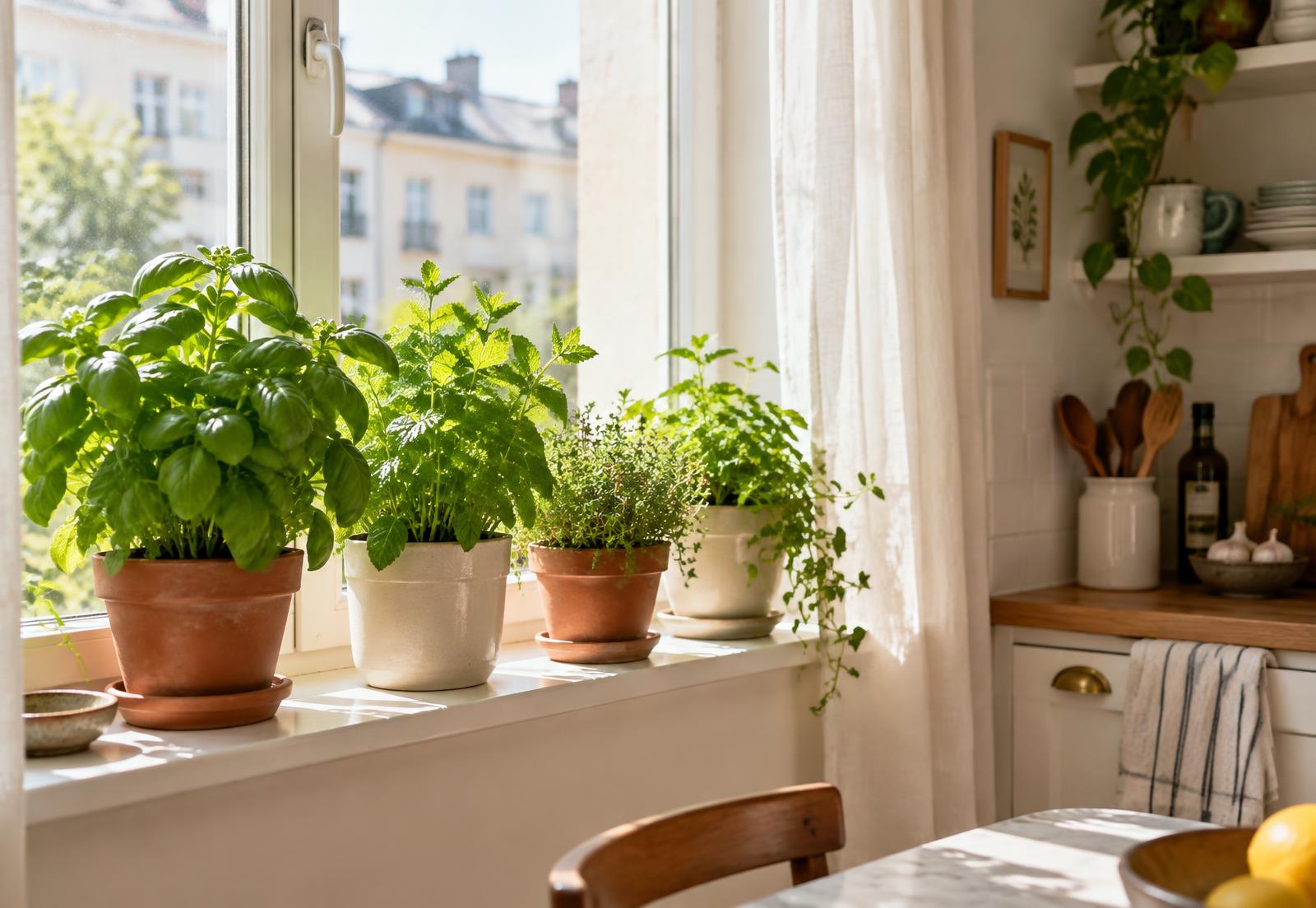
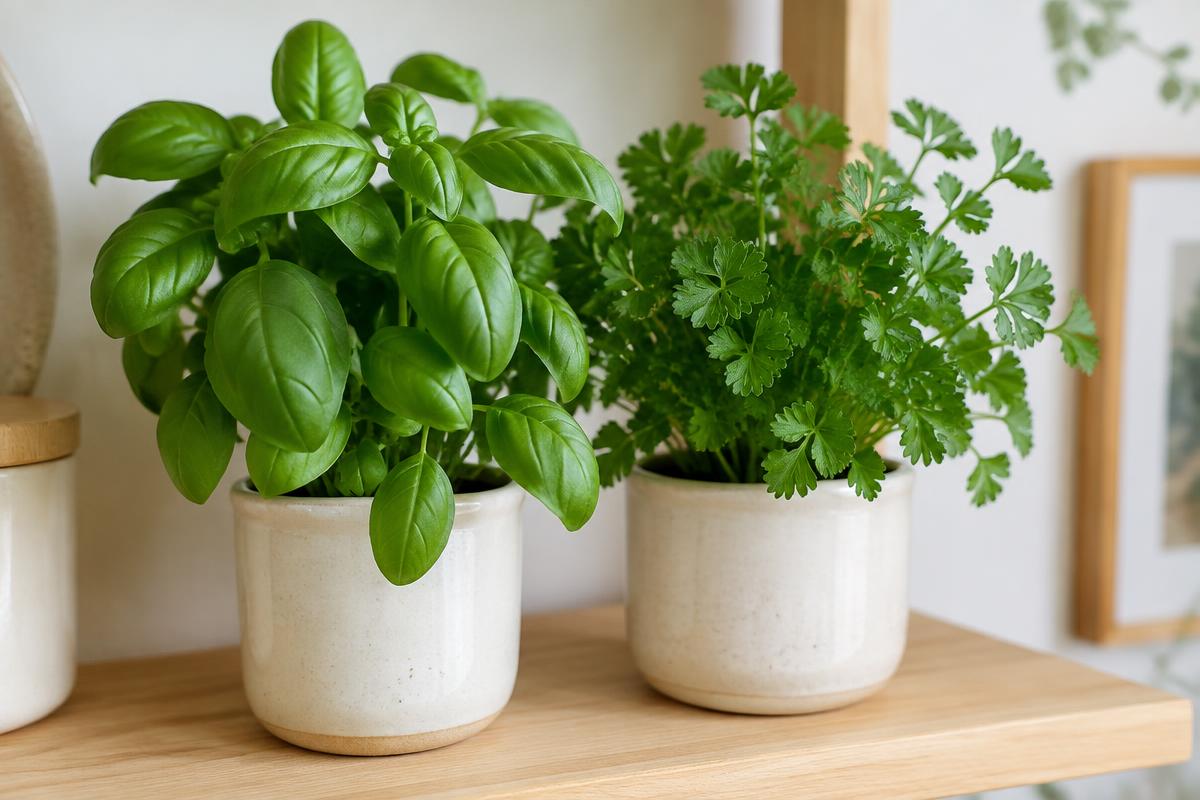
Start with fast feedback. Crops you cut repeatedly — herbs, loose-leaf lettuce, green onions, microgreens — reward you within weeks and teach you how your home behaves. Save fruiting crops like tomatoes and peppers for after you have a grow light and one successful season behind you.
Soil, pots and potting up
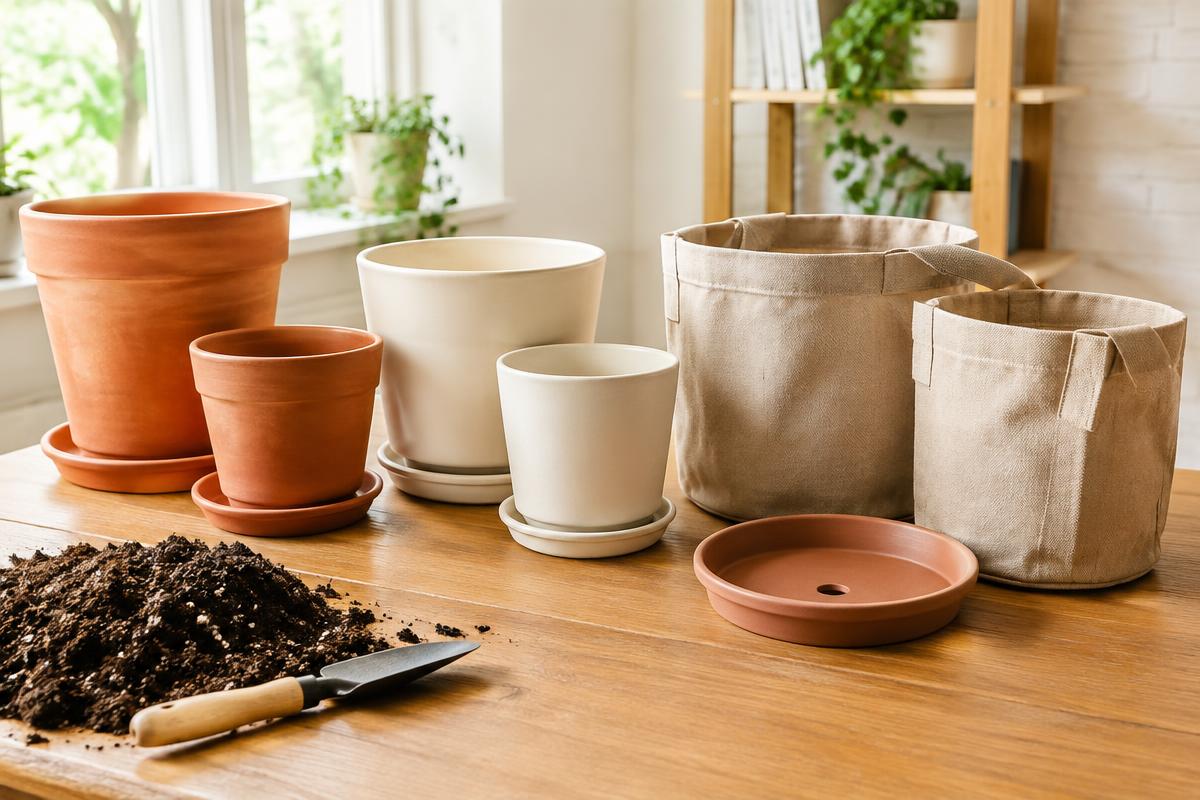
Use a bagged indoor potting mix. It is sterile, light enough for roots to breathe, and drains fast. Mix in a handful of perlite for herbs that hate wet feet, such as rosemary and thyme.
Pots must have drainage holes. Decorative cachepots are fine as outer sleeves, but the plant itself should sit in something that lets water escape.
Watering without guessing
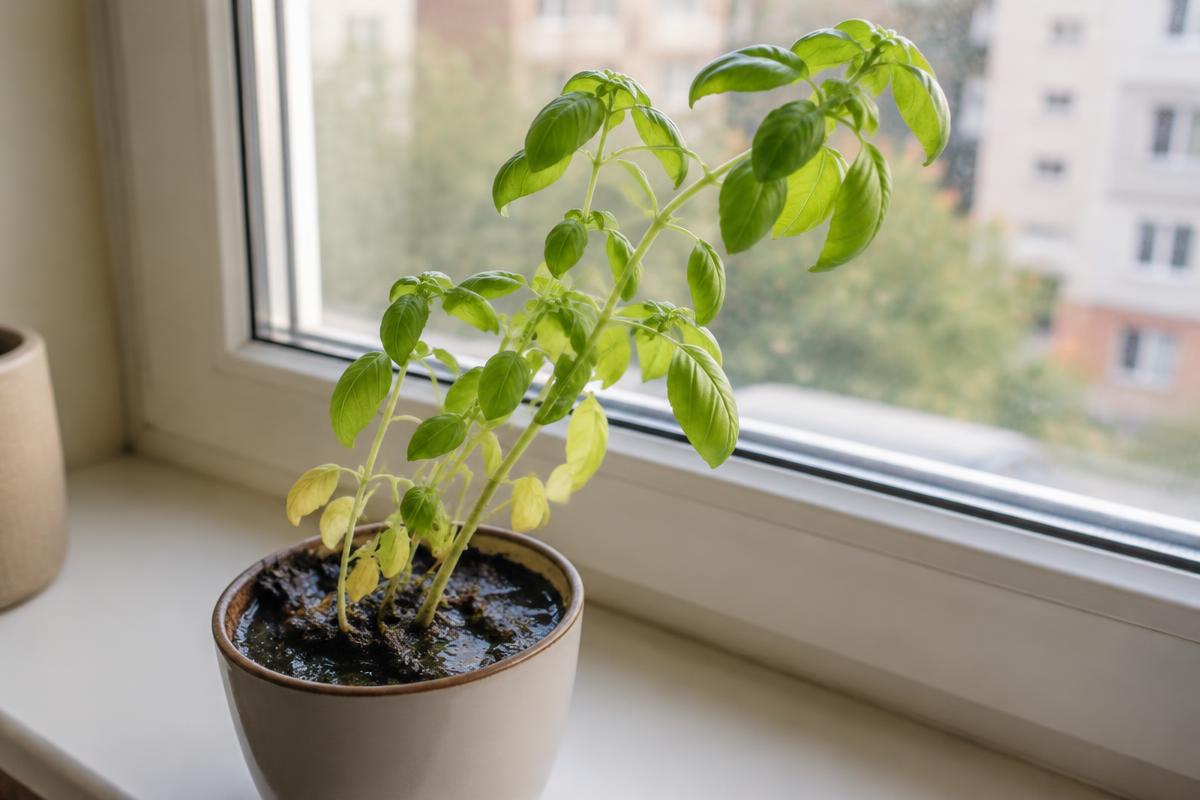
Overwatering kills more indoor plants than neglect. Water deeply but only when needed: feel the soil, lift the pot to judge weight, and empty saucers after 20 minutes so roots never sit in standing water.
Feeding container plants
Potting mix holds only a few weeks of nutrients. During active growth, feed with a balanced liquid fertilizer at half the label strength every 2–3 weeks. Leafy crops appreciate slightly more nitrogen; fruiting crops want more potassium once they flower.
Common pests indoors
- Fungus gnats — a sign of soil kept too wet. Let the surface dry between waterings and use sticky traps.
- Aphids — rinse leaves and wipe with diluted insecticidal soap.
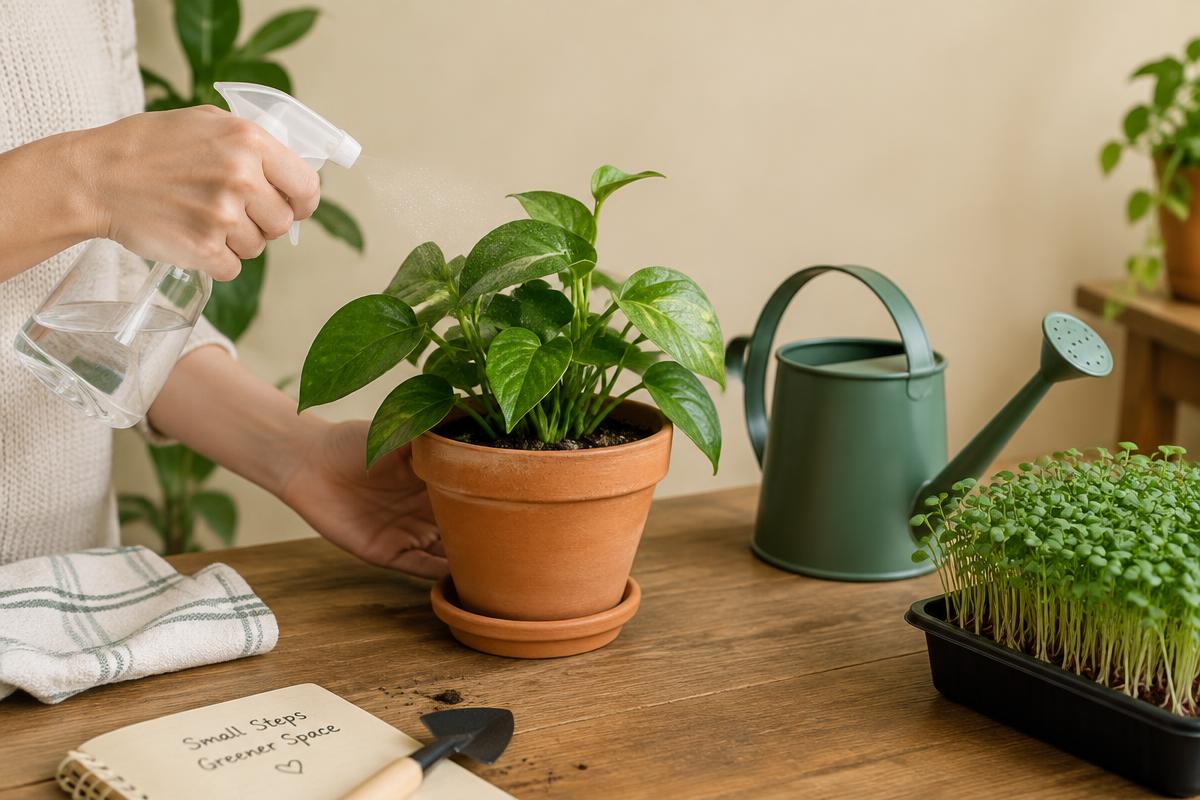
- Spider mites — thrive in dry air; raise humidity and mist foliage.
Your first 30 days
- Week 1: choose your spot, buy pots, mix and 3 plants or seed packets. Sow and water in.
- Week 2: set your light timer, start the weekly check-in routine, thin seedlings.
- Week 3: first feed at half strength; rotate pots for even growth.
- Week 4: first harvests. Pinch herbs above a leaf pair and cut outer lettuce leaves.
Frequently asked questions
Do I need a grow light to start?
Not if you have a window with 5+ hours of direct sun. Anywhere darker, a $30 LED bar on a timer is the difference between leggy seedlings and real harvests.
Can I use soil from outside?
Avoid it. Garden soil compacts in pots, drains poorly and can carry pests and weed seeds indoors. Bagged potting mix is worth the small cost.
How long until I harvest something?
Microgreens in 7–12 days, green onions in about two weeks, loose-leaf lettuce in 3–4 weeks, herbs in 4–6 weeks from seed.